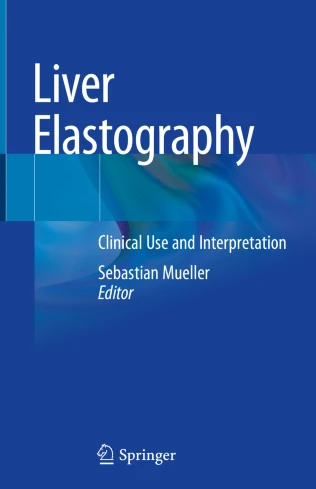
Liver Elastography: Clinical Use and Interpretation PDF – Essential Resource for Hepatic Imaging and Diagnosis
Liver Elastography: Clinical Use and Interpretation PDF is a comprehensive and authoritative reference designed to provide clinicians with evidence-based guidance on the use of elastography in liver disease diagnosis and management. Written by leading experts in hepatology and radiology, this book integrates technical principles with clinical applications, making it an indispensable tool for hepatologists, gastroenterologists, radiologists, and medical trainees. Compact, well-structured, and easy to navigate, it is ideally suited for both clinical practice and academic learning.
Why This Book Matters
Liver disease management requires accurate, noninvasive assessment of fibrosis, steatosis, and cirrhosis. Elastography has emerged as a powerful diagnostic tool, reducing the need for invasive biopsies and enabling better treatment decisions. Liver Elastography: Clinical Use and Interpretation provides clinicians with structured protocols, interpretation tips, and real-world clinical applications that enhance diagnostic accuracy and patient outcomes.
For updated guidelines and research in hepatology, visit the American Association for the Study of Liver Diseases (AASLD) and the European Association for the Study of the Liver (EASL).
Key Features of the Ebook
This clinical reference includes:
-
Comprehensive coverage of elastography techniques (transient, shear wave, and magnetic resonance elastography)
-
Interpretation strategies for fibrosis staging and disease monitoring
-
Technical considerations to ensure measurement accuracy
-
Case-based examples for clinical application
-
Integration of elastography into diagnostic and treatment pathways
-
Updated evidence and international practice guidelines
For additional references, consult the Journal of Hepatology and Hepatology Journal.
Who Can Benefit
This ebook is designed for:
-
Hepatologists and gastroenterologists
-
Radiologists and ultrasound specialists
-
Medical students and residents
-
Clinicians involved in liver disease diagnosis and management
-
Researchers in hepatology and imaging sciences
For complementary resources, explore Primer on Liver Disease and Elastography in Clinical Practice.
Learning and Application Strategies
The book emphasizes practical application of elastography through step-by-step guidance, case studies, and evidence-based protocols. It equips clinicians to interpret results accurately and integrate elastography findings into clinical decision-making. The structured content ensures fast reference during clinical practice or academic study.
For further educational resources, consult the World Gastroenterology Organisation (WGO) and PubMed Central.
Detailed Content Overview
Chapters are organized to cover:
-
Fundamentals of elastography technology
-
Transient elastography and shear wave principles
-
MR elastography applications
-
Clinical interpretation of liver stiffness measurements
-
Fibrosis staging and disease monitoring
-
Case studies and algorithm-based decision making
-
Key charts, reference tables, and interpretation checklists
Conclusion
Liver Elastography: Clinical Use and Interpretation PDF is an essential guide for mastering the use of elastography in hepatology. By combining technical understanding, clinical interpretation, and evidence-based guidelines, it helps clinicians provide accurate and noninvasive liver disease assessment. This resource is especially valuable in optimizing patient management, reducing unnecessary procedures, and improving diagnostic confidence.
👉 Download Liver Elastography: Clinical Use and Interpretation PDF today to elevate your hepatology and imaging practice. For more information and related medical titles, visit FreeMedBooks and purchase the original version on Amazon.