📘 Pulmonary Embolism PDF
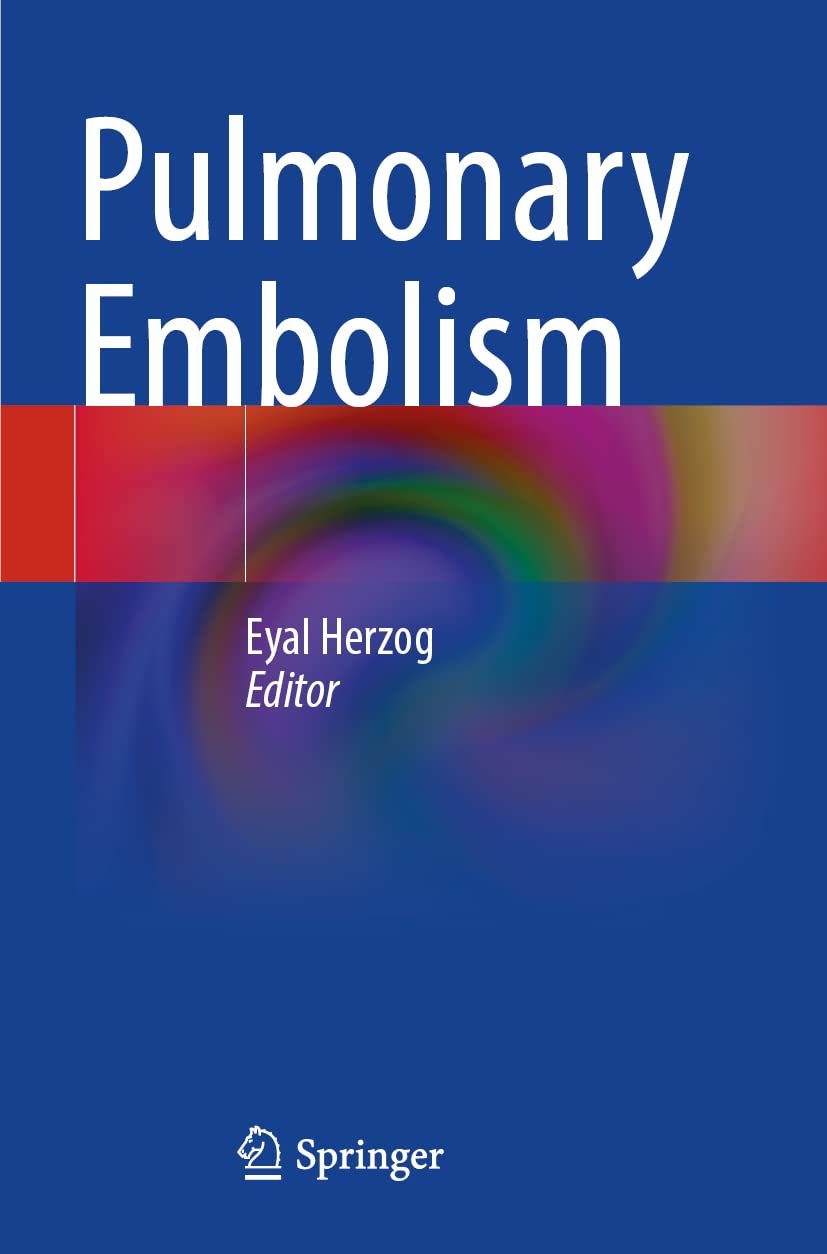
Pulmonary Embolism PDF is a comprehensive guide for clinicians managing patients with venous thromboembolism and acute pulmonary embolism. This book provides evidence-based strategies for diagnosis, risk assessment, treatment, and prevention, making it essential for cardiologists, pulmonologists, intensivists, and emergency physicians.
Understanding Pulmonary Embolism
The text begins by reviewing the pathophysiology of pulmonary embolism (PE), including thrombus formation, embolization, and its impact on pulmonary circulation and right ventricular function. Understanding these mechanisms is critical for timely recognition and intervention.
Risk Assessment and Diagnosis
Pulmonary Embolism PDF details clinical scoring systems such as Wells criteria and the Pulmonary Embolism Severity Index (PESI). It also covers imaging modalities including CT pulmonary angiography, V/Q scans, and echocardiography. Laboratory tests, such as D-dimer measurement, are discussed to aid in diagnosis and stratification of risk.
Management and Treatment Strategies
The book provides comprehensive guidance on anticoagulation therapy, thrombolysis, and surgical or catheter-based interventions. Special attention is given to high-risk and hemodynamically unstable patients. Case-based examples illustrate individualized treatment plans to optimize outcomes.
Prevention and Follow-Up
Prevention is a critical component of PE management. The text discusses prophylactic anticoagulation, mechanical devices, and lifestyle interventions for at-risk populations. Follow-up strategies, including monitoring for recurrence and managing chronic thromboembolic pulmonary hypertension, are emphasized.
Multidisciplinary Approach
Effective PE management often requires collaboration among cardiology, pulmonology, intensive care, hematology, and nursing teams. The book highlights coordinated care strategies that improve survival, reduce complications, and enhance patient outcomes.
Why This Book Matters
Pulmonary embolism remains a leading cause of morbidity and mortality worldwide. Pulmonary Embolism PDF equips clinicians with practical, evidence-based tools to diagnose, treat, and prevent PE effectively. Its integration of pathophysiology, diagnostics, and management makes it an essential resource for clinical practice.
For further guidance, readers can consult the American Heart Association, the European Society of Cardiology, and the Society of Thoracic Radiology. These references complement the knowledge presented in the book.
🔗 Download available at: Freemedbooks.com
Related products