
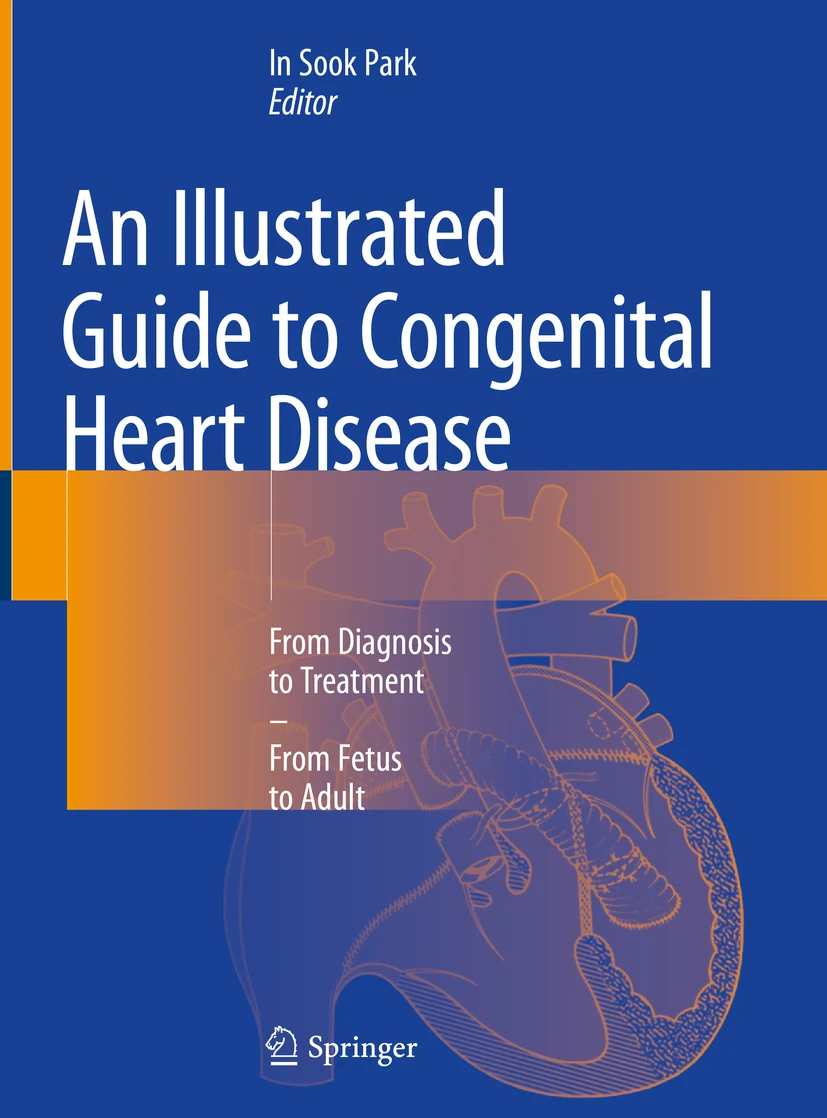

An Illustrated Guide to Congenital Heart Disease PDF
The An Illustrated Guide to Congenital Heart Disease PDF is a comprehensive resource for pediatric cardiologists, cardiology fellows, and healthcare professionals managing congenital heart conditions. This book provides detailed visual representations of congenital heart defects, their anatomy, pathophysiology, and clinical implications. With high-quality illustrations, step-by-step explanations, and case-based examples, it helps clinicians improve diagnostic accuracy and treatment planning.
Why Understanding Congenital Heart Disease Matters
Congenital heart disease (CHD) is the most common birth defect, affecting the heart’s structure and function. Early diagnosis and accurate anatomical assessment are critical for timely intervention, surgical planning, and long-term management. A clear understanding of congenital defects ensures improved patient outcomes and guides individualized therapy. For more information, visit the American Heart Association and the Society for Cardiovascular Angiography and Interventions.
Key Features of the Ebook
This book provides:
Comprehensive coverage of common and rare congenital heart defects
High-quality, annotated illustrations for clinical clarity
Step-by-step guidance for anatomical interpretation
Case-based examples demonstrating real-world diagnostic and management challenges
Evidence-based recommendations for clinical decision-making and surgical planning
For updated protocols, see the European Society of Cardiology resources on congenital heart disease.
Who Can Benefit
This resource is ideal for pediatric cardiologists, cardiology fellows, residents, pediatricians, and other healthcare professionals involved in the care of patients with CHD. It enhances anatomical understanding, supports clinical decision-making, and improves patient outcomes.
Integrated Learning Approach
The ebook combines visual learning, theoretical knowledge, and practical case studies. Clinicians can apply these insights directly in diagnosis, imaging interpretation, and treatment planning, ensuring accurate assessments and effective management strategies. This integrated approach supports professional development in pediatric cardiology.
Detailed Content Overview
The content includes:
Anatomy and classification of congenital heart defects
Pathophysiology and hemodynamic consequences
Diagnostic imaging techniques including echocardiography and MRI
Preoperative and postoperative management strategies
Case-based examples illustrating clinical decision-making
Long-term follow-up and adult congenital heart disease considerations
For additional resources, visit the American Heart Association and the Society for Cardiovascular Angiography and Interventions.
Conclusion
The An Illustrated Guide to Congenital Heart Disease PDF is an essential resource for clinicians managing congenital heart conditions. With high-quality illustrations, structured explanations, and case-based learning, it equips healthcare professionals to enhance diagnostic accuracy, treatment planning, and patient care. Access this ebook today to strengthen your expertise in congenital heart disease.
For official educational resources, visit the American College of Cardiology.