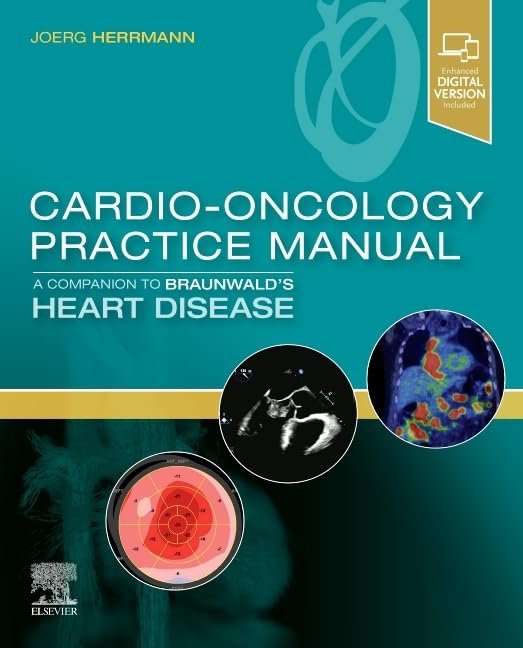

Cardio-Oncology Practice Manual: A Companion to Braunwald’s Heart Disease PDF
Introduction
Cardio-Oncology Practice Manual: A Companion to Braunwald’s Heart Disease PDF is a practical guide designed for clinicians managing patients at the intersection of cancer treatment and cardiovascular health. As cancer therapies advance, the risk of cardiovascular complications increases, making cardio-oncology an essential field. According to the American Heart Association (AHA), cardiovascular complications are a major contributor to morbidity among cancer survivors. This manual bridges the gap between evidence-based cardiology and oncology, providing actionable strategies for prevention, diagnosis, and management.
Understanding Cardiovascular Risks in Cancer Therapy
Chemotherapy-Induced Cardiotoxicity
For instance, anthracyclines and other chemotherapeutic agents can damage cardiac myocytes, potentially leading to heart failure. Therefore, early recognition and monitoring are essential to prevent long-term cardiac dysfunction.
Radiation Therapy Effects
In addition, radiation therapy, especially to the chest, can injure blood vessels, accelerate atherosclerosis, and increase the risk of ischemic heart disease. Patients with prior chest radiation, such as for breast cancer or Hodgkin lymphoma, require careful cardiovascular surveillance.
Targeted Therapy and Immunotherapy Impacts
Moreover, targeted therapies and immunotherapies may disrupt normal cardiac signaling pathways. As a result, patients may develop arrhythmias, hypertension, or cardiomyopathy. The National Cancer Institute (NCI) emphasizes that these risks may persist even years after therapy concludes.
Common Cardiovascular Complications in Oncology Patients
Heart Failure
Chemotherapy-induced cardiomyopathy, particularly from anthracyclines, remains a common complication. Echocardiography and biomarkers such as troponin and BNP are critical for early detection.
Hypertension
Agents like VEGF inhibitors frequently induce high blood pressure. Consequently, monitoring and timely antihypertensive therapy are vital to reduce adverse cardiovascular events.
Arrhythmias
Patients may experience irregular heart rhythms due to myocardial injury, electrolyte disturbances, or drug effects. Continuous ECG monitoring can identify early abnormalities and guide intervention.
Ischemic Heart Disease
Radiation and certain chemotherapies can accelerate coronary artery disease. Therefore, stress testing or cardiac imaging may be warranted to assess risk and guide management.
Thromboembolism
Some chemotherapy agents increase the risk of blood clots, leading to pulmonary embolism or stroke. The European Society of Cardiology (ESC) provides clinical guidance on thromboembolic risk management in cancer patients.
Identifying Risk Factors
Not all patients share the same cardiovascular risk. Factors include pre-existing heart disease, advanced age, high cumulative doses of cardiotoxic drugs, chest radiation exposure, hypertension, diabetes, obesity, and genetic susceptibility. Furthermore, combination therapies may elevate risk, emphasizing the need for individualized monitoring.
Diagnosis and Monitoring Strategies
Monitoring cardiovascular health during cancer therapy is essential. Recommended tools include electrocardiography (ECG), echocardiography, cardiac biomarkers, and cardiac MRI. Baseline assessment before therapy and ongoing follow-ups help detect complications early. Moreover, risk stratification informs preventive and therapeutic interventions.
Management and Prevention
Preventive Measures
The use of cardioprotective agents such as dexrazoxane, limiting cumulative chemotherapy doses, and employing advanced radiation techniques can reduce cardiovascular risk.
Pharmacologic Therapy
Beta-blockers, ACE inhibitors, and statins are frequently used to preserve cardiac function. In addition, antihypertensive therapy is essential for patients receiving VEGF inhibitors.
Lifestyle and Rehabilitation
Heart-healthy diets, regular exercise, and smoking cessation enhance long-term cardiovascular outcomes. Additionally, patient education promotes adherence to lifestyle modifications.
Multidisciplinary Approach
Cardio-oncology clinics integrating oncologists and cardiologists ensure optimal patient care. According to ASCO, incorporating cardiovascular risk management into cancer therapy improves survival and quality of life.
Conclusion
Cardiovascular complications in cancer therapy are an increasing challenge in clinical practice. However, with early detection, preventive strategies, pharmacologic therapy, lifestyle interventions, and multidisciplinary care, risks can be minimized. This manual provides clinicians with practical tools to manage cardiovascular health effectively in oncology patients.
👉 Download Cardio-Oncology Practice Manual: A Companion to Braunwald’s Heart Disease PDF to access case-based guidance, clinical protocols, and evidence-based strategies for patient care.
🌐 For additional authoritative resources, visit the American Heart Association (AHA), National Cancer Institute (NCI), and American Society of Clinical Oncology (ASCO).